How long to steep tea, by leaf
Pick your tea and it counts the steep, then rings before it turns bitter. The temperature matters as much as the minutes, so both are on every button.
Choose your tea
Press Esc to close, Space to pause
You left this tab while the timer was running. A notification can reach you from a tab you cannot see.
How to brew loose leaf tea in three steps
-
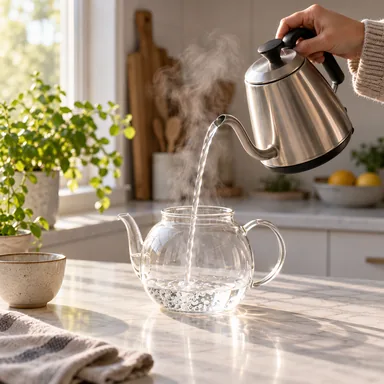
Boil it, then let it fall
Only black and herbal tea want water straight off the boil. For green and white, boil the kettle and then wait – about two minutes in an open pot gets you from 100 °C to roughly 80. A splash of cold water does the same job faster and costs nothing but a little dilution.
-
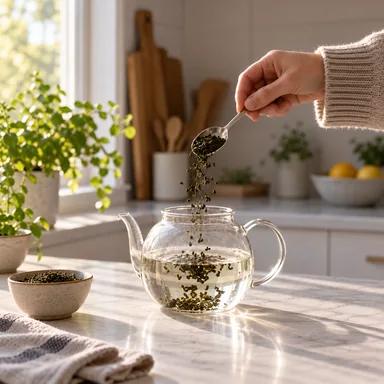
One rounded teaspoon per cup
About 2 g of leaf to a 200 ml cup, and a little more for the big leaves that barely fill a spoon – white tea and chamomile are mostly air. Pour the water on, start the timer as the last of it goes in, and leave it alone.
-
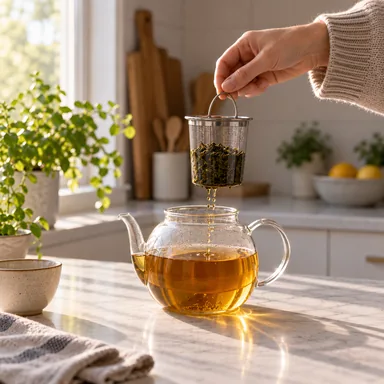
Take the leaf out when it rings
This is the step the timer exists for. Lift the infuser or strain it off the moment the alarm sounds – tea left sitting on its leaves does not keep getting stronger, it starts getting bitter, and there is no way back from that.
Tea steeping times and water temperatures
For one rounded teaspoon of loose leaf in a 200 ml cup, poured from water at the temperature given. A bag is faster than any of these – it holds broken leaf with far more surface in the water – so it has a row of its own at the bottom.
-
 1 min
Pale straw. Coloured water.
-
 2 min
Light gold. Thin but drinkable.
-
 3 min
Amber. Tea, without milk.
-
 4 min
Deep red-brown. Takes milk.
-
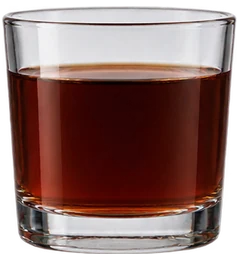 5 min
Dark. Drying, and past its best.
| Tea | Water | Steep |
|---|---|---|
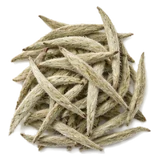 White, silver needle | 75–80 °C | 4–5 min |
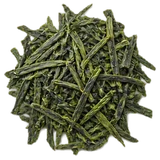 Green, sencha | 70–80 °C | 1–2 min |
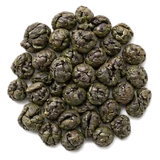 Green, gunpowder | 80 °C | 2–3 min |
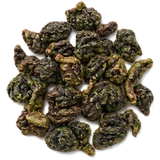 Oolong | 90 °C | 3–4 min |
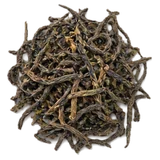 Black, darjeeling | 90 °C | 3 min |
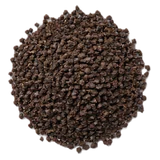 Black, assam | 95–100 °C | 4–5 min |
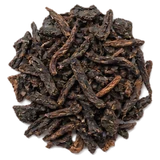 Pu‑erh | 100 °C | 3–4 min |
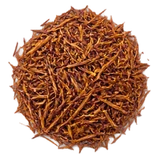 Rooibos | 100 °C | 5–7 min |
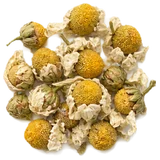 Chamomile | 100 °C | 5–7 min |
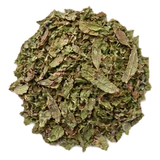 Peppermint | 100 °C | 5–7 min |
| Tea bag, black | 100 °C | 2–3 min |
A breakfast blend is an assam row: English and Irish breakfast are blends built on strong assam-style black tea, and four to five minutes at a rolling boil is what they are made for. Earl Grey is a black tea with bergamot on it and follows whichever base it was blended from – usually three to four minutes.
Green and white tea are the rows to get right, and the temperature is the half that catches people out. Both are unoxidised, both give up their tannin fast, and both are ruined by water straight from the kettle before the clock has anything to say about it. If your green tea has always tasted harsh, it is far more likely to be the water than the two minutes.
Herbal infusions are the opposite and can be left almost indefinitely. There is no tea leaf in a chamomile or a peppermint, so there is no tannin to pull out – the range says five to seven minutes because that is when it stops getting better, not when it starts getting worse.
Stronger tea, not longer tea
Strength and bitterness come from different places, and treating them as one dial is the mistake this page is mostly about. The flavour you want dissolves out in the first couple of minutes; the tannins that dry your mouth keep coming for as long as the leaf is in the water.
So a weak cup is a leaf problem. Add another half teaspoon and keep the time the same, and you get a stronger tea that still tastes like tea. Add two more minutes instead and you get the same strength with a bitter edge that milk can only partly hide – which is, not coincidentally, why so much tea is drunk with milk.
Why the temperature is on the button
Hotter water pulls everything out faster, including the parts you would rather leave behind. Black tea is fully oxidised and can take a rolling boil; green and white cannot, and at 100 °C they turn harsh in well under the time the table gives them.
No kettle thermometer needed. Boil it and wait: about two minutes in an open pot drops it to roughly 80 °C, one minute to about 90. Or pour a fifth of the cup as cold water first and fill up from the kettle, which lands in the same place and is quicker.
Bags, mugs and second infusions
A bag holds broken leaf, which has far more surface in the water than whole leaf does, so it brews in about half the time – two to three minutes for a standard black bag, and the string is not a handle for leaving it in.
Good loose leaf will give you a second cup, and sometimes a third. Use the same leaf, add thirty seconds to a minute, and expect a different cup rather than a weaker one: oolong in particular is often better the second time. A bag will not do this, and neither will anything that has already sat too long.
Popular timers
 Egg timerSoft, medium, hard
 Pasta timerFirm or soft, by shape
 Rice timerSimmer and rest, by type
 Potato timerBoiling times by cut
 Steak timerBy thickness and doneness
 Bread timerBake and cool, by type
 Air fryer timerDings when to shake it
 Corn on the cob timerBoil, grill or microwave
 Baked potato timerAir fryer, oven or microwave
 Air fryer chicken wingsFresh, frozen or buffalo
 Air fryer chicken breastBy size, with the rest
 Air fryer salmonBy thickness, no turning
 Air fryer baconChewy to extra crispy
 Air fryer chicken thighsBone-in, boneless or frozen
 Air fryer drumsticksTurned twice, legs and quarters
Questions about brewing tea
How long should you steep tea?
Two minutes for green, three for oolong, four for black and five to seven for herbal infusions. A black tea bag is faster than loose black tea – two to three minutes – because the leaf in it is broken up.
How long do you leave a tea bag in?
Two to three minutes for a standard black tea bag in a mug, then take it out. Leaving it in does not make the tea stronger in any useful sense; it makes it more bitter, and the difference is easy to taste once you have stopped doing it for a week.
Why is my tea bitter?
Either it steeped too long or the water was too hot, and for green tea it is usually the water. Tannins keep dissolving for as long as the leaf sits there, and they come out faster the hotter the water is. Use the temperature in the table, set the timer, and take the leaf out when it rings.
Does water temperature really matter for tea?
For green and white tea, more than the time does. They are unoxidised and turn harsh at boiling point no matter how briefly they brew, so the water wants to be around 75 to 80 °C – about two minutes of waiting after the kettle clicks off. Black and herbal teas are fine straight from the boil.
How much tea per cup?
One rounded teaspoon, about 2 g, to a 200 ml cup. Go up a little for the bulky leaves that are mostly air, like white tea and chamomile flowers. If the cup is weak, this is the number to change – not the time.
Can you reuse tea leaves?
Whole leaf tea, yes: a second infusion with the same leaves and thirty seconds to a minute longer is a normal part of drinking oolong and pu-erh, and it tastes different rather than thinner. Tea bags do not work this way, and neither does anything left standing for an hour first.