Egg timer for soft, jammy and hard boiled eggs
Soft, jammy or hard. Tap one and it counts down, then rings loud enough to hear from the next room.
How do you like it?
Press Esc to close, Space to pause
You left this tab while the timer was running. A notification can reach you from a tab you cannot see.
Egg boiling times
For a large egg, straight from the fridge, lowered into water that is already boiling. Adjust from there using the notes below.
-
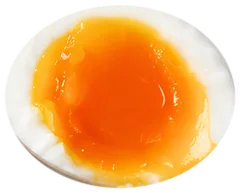 5 min
Yolk fully liquid
-
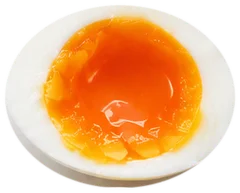 6 min
Runny all the way through
-
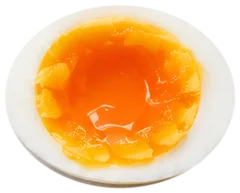 7 min
Thickened at the edge
-
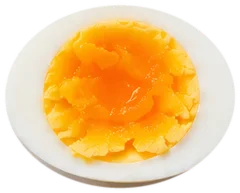 8 min
Soft, bright centre
-
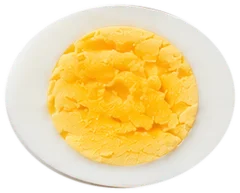 9 min
Almost firm
-
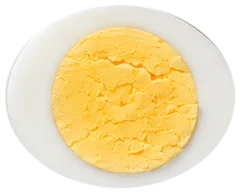 10 min
Just set through
| Time | Result |
|---|---|
| 5 min | White only just set, yolk fully liquid. Barely holds together out of the shell. |
| 6 min | Soft. White firm, yolk runny all the way through. The dipping egg. |
| 7 min | Yolk thickened at the edge, still liquid in the middle. |
| 8 min | Jammy. Yolk set around the outside, soft and bright in the centre. |
| 9 min | Almost firm, with a slightly sticky centre. |
| 10 min | Set all the way through and still bright, with no sticky centre left. |
| 11 min | Hard. Yolk pale, firm and crumbly all the way through. |
| 13 min | Fully hard. Past this the yolk starts to grey at the edge. |
Eggs vary more than recipes admit. Time one the way you like it, note the number, and use that as your own.
Food safety
What the official guidance says
- Soft and runny eggs in the UK
-
Hen eggs with the British Lion mark, or produced under the Laid in Britain scheme, are safe raw or lightly cooked, including for young children, people who are pregnant and older people.
Source: UK Food Standards Agency - The exception
-
That advice does not apply to people who are severely immunocompromised and on medically supervised diets.
Source: UK Food Standards Agency - In the US
-
The USDA’s safe minimum for eggs and egg dishes is 71 °C (160 °F), which a soft or runny yolk does not reach.
Source: USDA
Checked against the official pages, September 2026.
Adjusting the times
Eggs kept on the counter need about a minute less than the table says. They start warmer, so they get there sooner. A medium egg needs a minute less again, a very large one a minute more.
Cooking several changes nothing, as long as they sit in a single layer and the water comes back to the boil quickly. High up, water boils below 100°C and eggs take longer – above roughly 1,000 metres, add a minute.
The method these times assume
Bring a pan to a rolling boil, enough to cover the eggs by a couple of centimetres, then turn it down to a steady simmer so they are not knocked about.
Lower them in on a spoon and start the timer as the last one goes in. Starting from cold water works too, but the pan takes as long as it takes and the egg is cooking the whole time, so the result is different every hob.
Cooling and peeling
When it rings, move them straight into cold water. An egg carries on cooking in its own heat after it leaves the pan, so that minute is the difference between jammy and set.
Cold water also loosens the membrane, which is most of what makes an egg hard to peel. Crack the shell all over first, then start at the blunt end where the air pocket is.
Other kitchen timers
 Pasta timerFirm or soft, by shape
 Rice timerSimmer and rest, by type
 Potato timerBoiling times by cut
 Tea timerSteeping times by leaf
 Steak timerBy thickness and doneness
 Bread timerBake and cool, by type
 Air fryer timerDings when to shake it
 Corn on the cob timerBoil, grill or microwave
 Baked potato timerAir fryer, oven or microwave
 Air fryer chicken wingsFresh, frozen or buffalo
 Air fryer chicken breastBy size, with the rest
 Air fryer salmonBy thickness, no turning
 Air fryer baconChewy to extra crispy
 Air fryer chicken thighsBone-in, boneless or frozen
 Air fryer drumsticksTurned twice, legs and quarters
Questions about the online timer
How long do you boil an egg?
Six minutes for a runny yolk, eight for a jammy one and eleven for hard boiled. Those times are for a large egg taken straight from the fridge and lowered into water that is already boiling, which is the most repeatable way to do it.
Does it matter if the egg is cold?
Yes, by about a minute. A fridge-cold egg starts colder, so it needs longer than one that has been sitting on the counter. If you keep your eggs out of the fridge, take roughly a minute off each time on this page.
Does the size of the egg matter?
About a minute either way. A medium egg needs roughly a minute less than a large one, and a very large egg a minute more. If you are cooking a mixed box, time the largest and accept that the small ones will come out firmer.
Should I start the eggs in cold water?
You can, but the timing stops being reliable. How long the pan takes to reach the boil depends on the hob, the pan and how much water is in it, and the egg is cooking the whole time. Lowering eggs into water that is already boiling is the only way to get the same result twice.
Why do my eggs crack?
Usually the temperature shock of a cold egg meeting boiling water. Lower them in on a spoon rather than dropping them, and keep the water at a steady simmer rather than a hard rolling boil. Letting them sit out for ten minutes first helps too.